

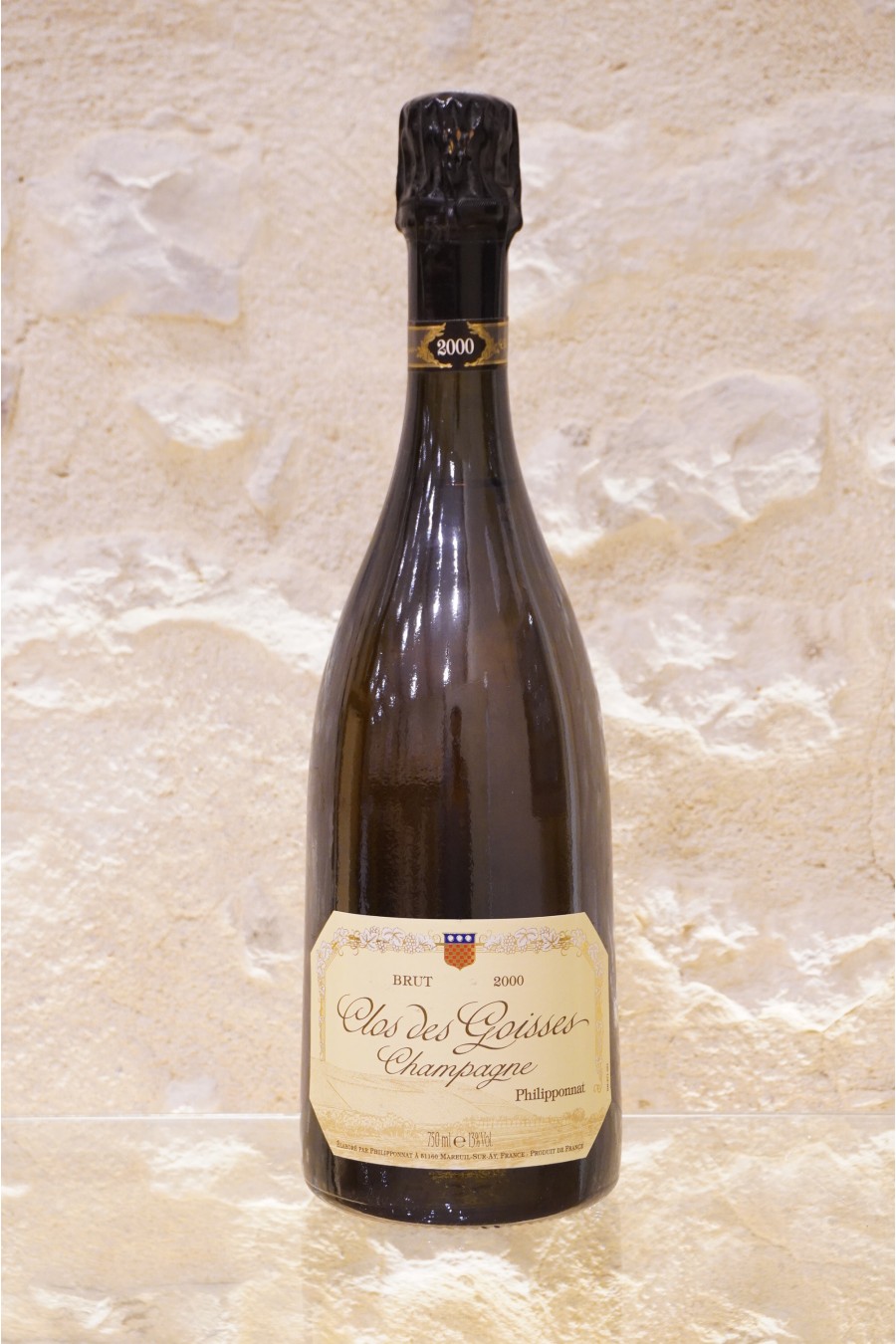
- 75CL - Bottle


190€ HT
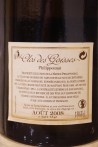
The Philipponnat family's history in Champagne begins in 1522, when King Francis I of France gifted land in Aÿ to April de Philipponnat as a reward for her bravery at the Battle of Marignano in 1515. However, it wasn't until 1910 that the Philipponnat house was officially founded in Mareuil-sur-Aÿ by Auguste and Pierre Philipponnat. Nevertheless, the family's distant origins can be traced on the labels of cuvées such as the Extra Brut Grand Cru Blanc 1522. In 1935, Pierre, having outlived his brother who died during the First World War, purchased the Clos des Goisses vineyard. One of its flagship cuvées, the Brut Clos des Goisses, is made entirely from grapes grown in this unique vineyard.
This house is self-sufficient in its sourcing and winemaking processes. It shines among the top-of-the-range champagnes thanks to the distinctive character of its Clos des Goisses. The brand's rise is also a reward for the choices made by its president, Charles Philipponnat, who has been at the helm since 2000. He introduced cold stabilization into the winemaking process, shifted the blends towards more Pinot Noir, and increased the capacity for vinification in oak barrels, on the lees, without stirring or malolactic fermentation. His goal? To integrate the vintage spirit into non-vintage champagnes. The wines tasted confirm the excellence and precision recently observed, starting with the Brut Royale Réserve. A house at the peak of its form.
100/100 Gilbert et Gaillard
97/100 Jamie Goode
 3 bottle(s) in stock